Vis and Biševo by Boat
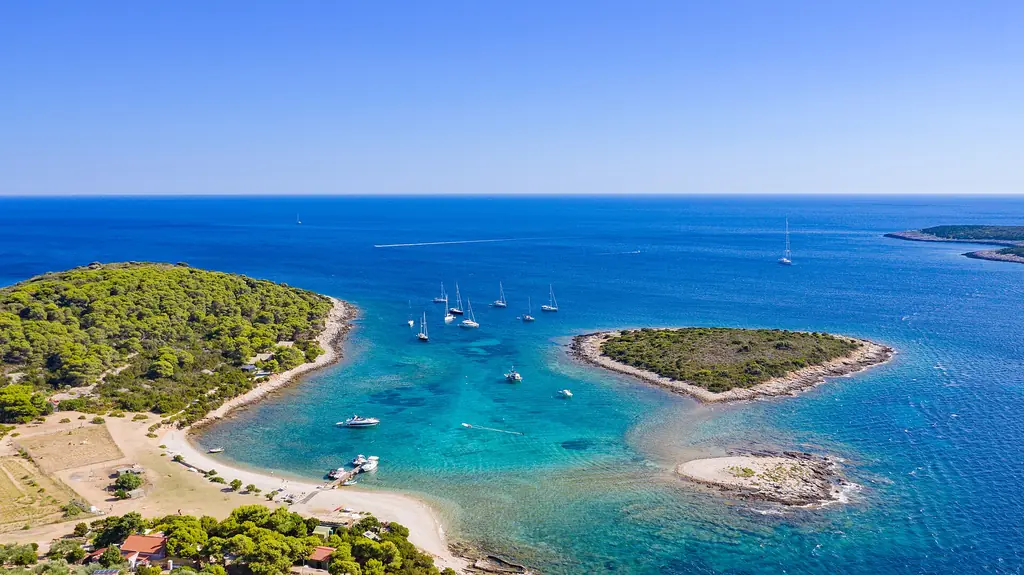
Vis was a military zone after the Second World War and is still little built up. This is Vis and Biševo by boat, from the Blue Cave to Stiniva and Komiža.
Blue Cave on Biševo by boat
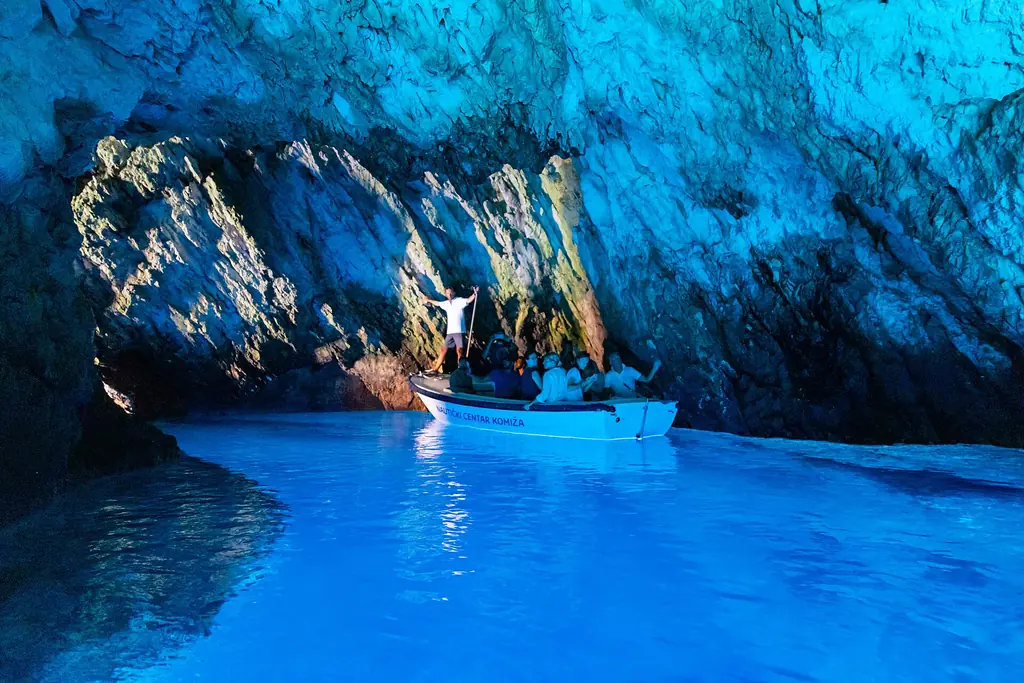
The Blue Cave, Modra špilja in Croatian, is in Balun bay on the east side of Biševo, 4.5 nautical miles from Komiža.
The entrance is only 1.5 m high and 2.4 m wide, so you go in on a small boat, from Mezuporat bay. The cave is about 24 m long.
Sunlight comes in through an underwater opening and reflects off the pale seabed: the water glows blue and anything under the surface looks silver. The best time, says the Komiža tourist board, is between 10 am and 2 pm, depending on the season.
The cave has been open to visitors since Baron Eugen von Ransonnet described it in 1884. See the Blue Cave tour from Split if you want it in one day from the mainland.
Stiniva, Green Cave and Vis beaches
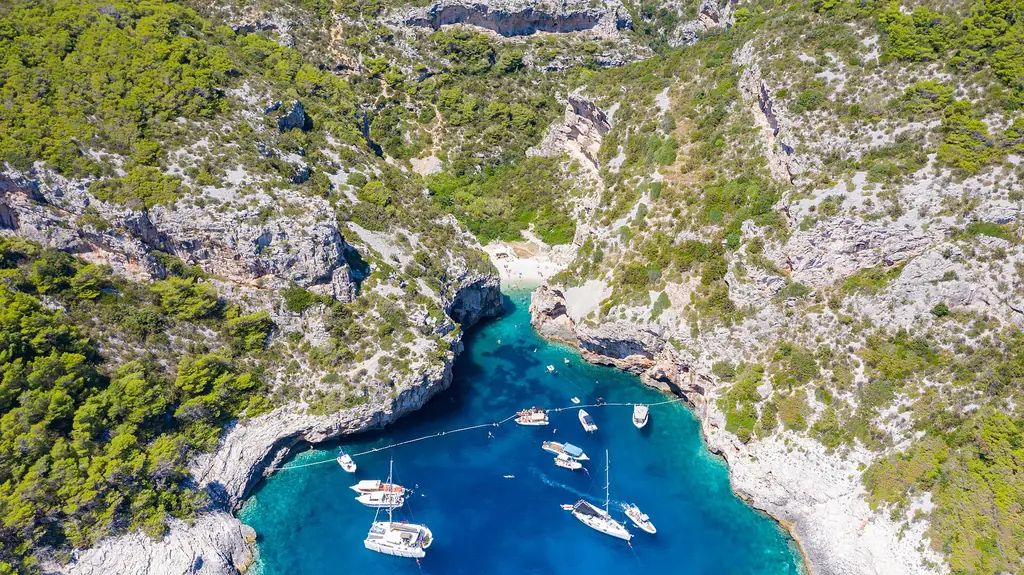
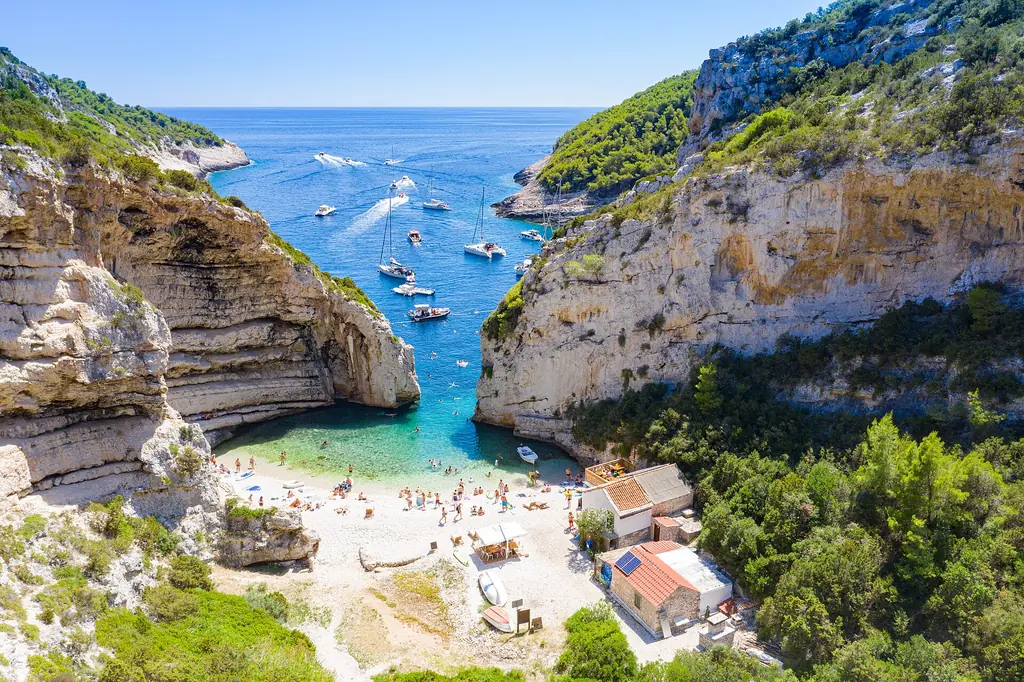
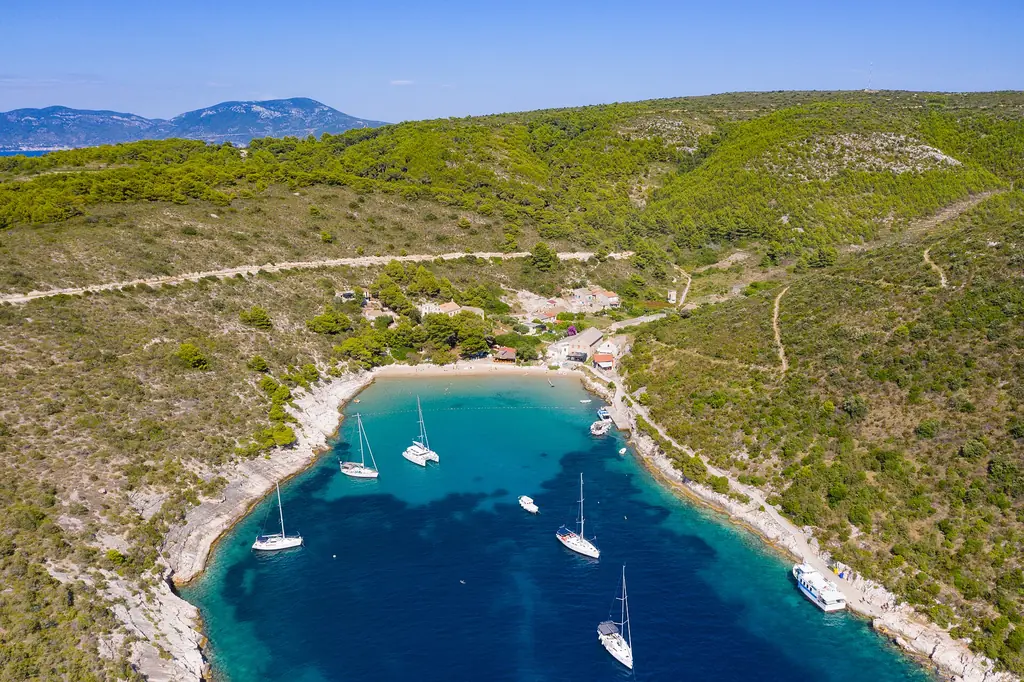
Stiniva is the bay to see from the water: two cliffs almost close around it and leave a natural pool and a pebble beach. The path down from the land is steep, so the county tourist board recommends coming by boat.
The Green Cave is on the uninhabited islet of Ravnik, off the south side of Vis. It has two large entrances and swimming inside is allowed.
- Stončica, Milna and Zaglav: sandy beaches
- Srebrna: a pebble cove
- Kamenice: a beach in Komiža
- Biševo, Svetac and Brusnik: islands with coves and caves
What to see in Komiža
Komiža is the town on the west side of Vis and the natural base for Biševo. The county tourist board calls it one of the warmest towns on the Adriatic, with an annual average of 17 °C in Komiža.
The Venetian fortress on the waterfront holds the Fishermen’s Museum. Inside is a replica of the gajeta falkuša, the boat Komiža fished with.
Order Komiška pogača, a pie of yeast dough with anchovies and tomatoes. In Vis town the version is Viška pogača, with onions and capers.
What to see in Vis town
Vis town grew where the Greeks founded Issa in the early 4th century BC. Issa minted its own money and had its own fleet; remains of Roman baths and an ancient theatre survive.
The British held the island from 1812 to 1815, built forts on the hills above the bay and played the first cricket in Croatia. In 1944 the Partisan government and the Allied missions were here.
After the war Vis became Yugoslavia’s central naval base. The Vela Glava command post and the sea tunnel in Parja bay remain.
The long isolation is why the island avoided excessive building. Ask for Vugava, a white wine, and Plavac Mali, a red.
How to plan a boat trip to Vis
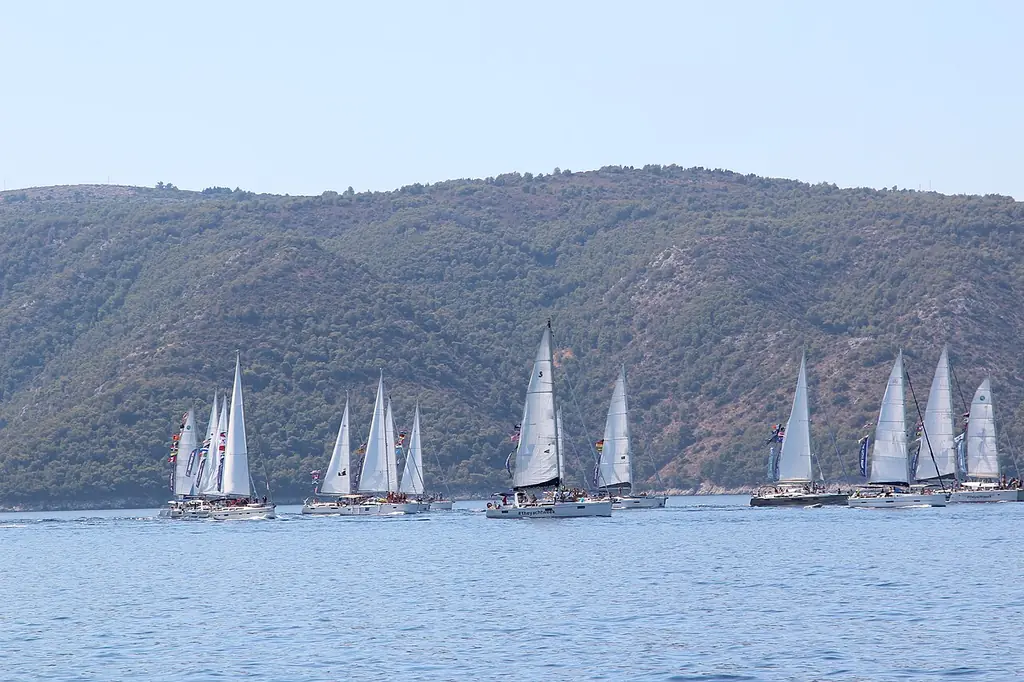
Vis lies in the open sea, so plan around the wind and keep a spare day. A fast boat with skipper from Split or from Hvar means a full day; on a sailing boat stay a night in Vis or Komiža.
Ask the skipper to time the Blue Cave for the hours when the light is in, and to keep Stiniva and the south coast for the rest of the day.
The archipelago is a UNESCO Global Geopark, in the network since April 2019. The island has over 2,600 hours of sun a year.
 Blue Cave tour
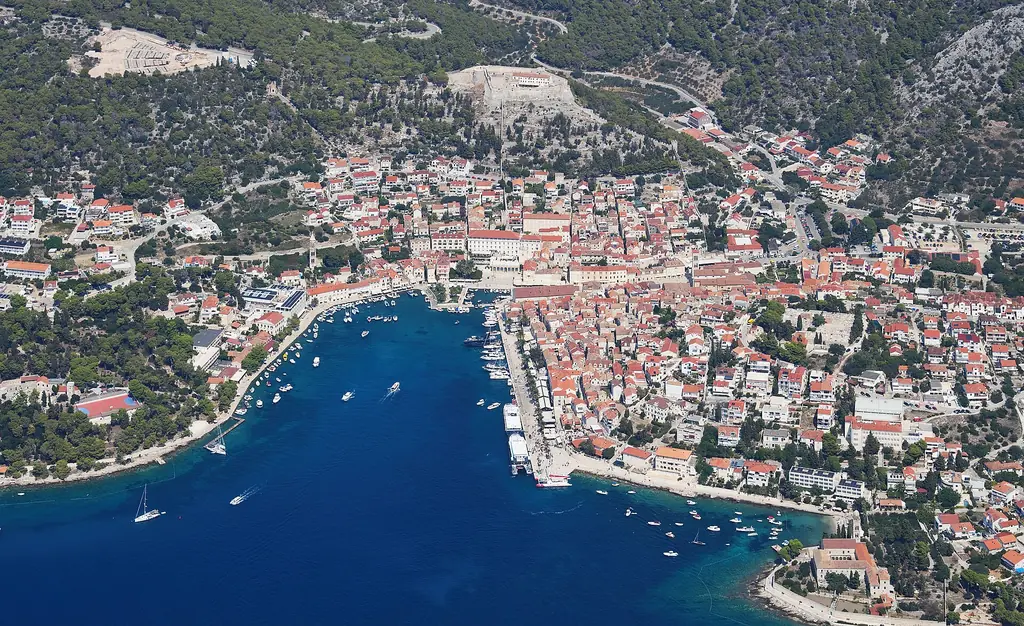 Hvar by boat
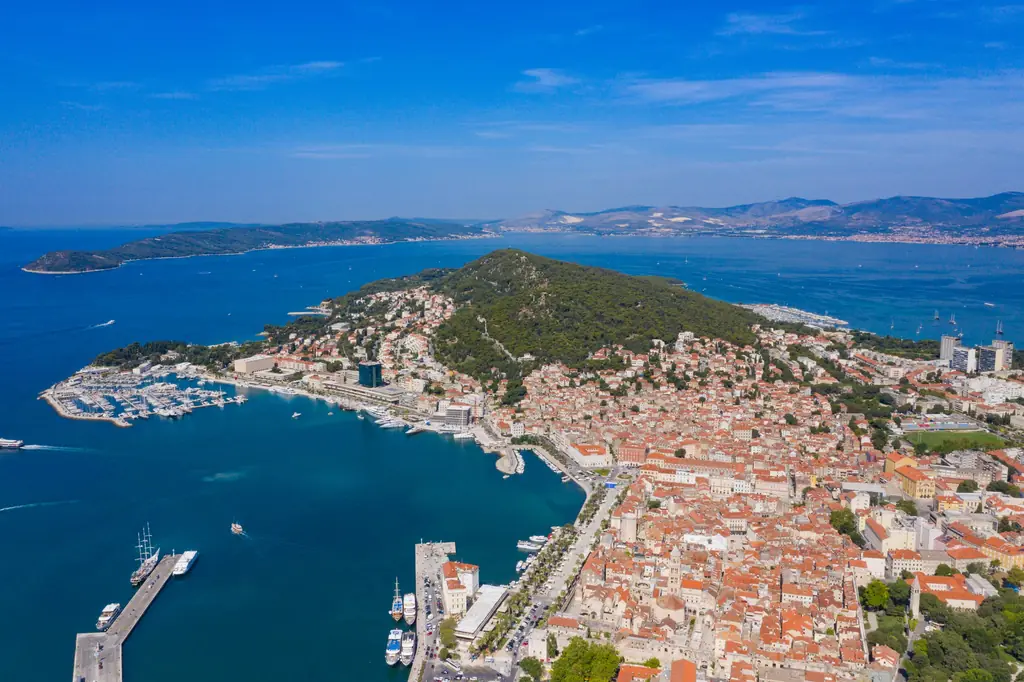 Boat rental in Split
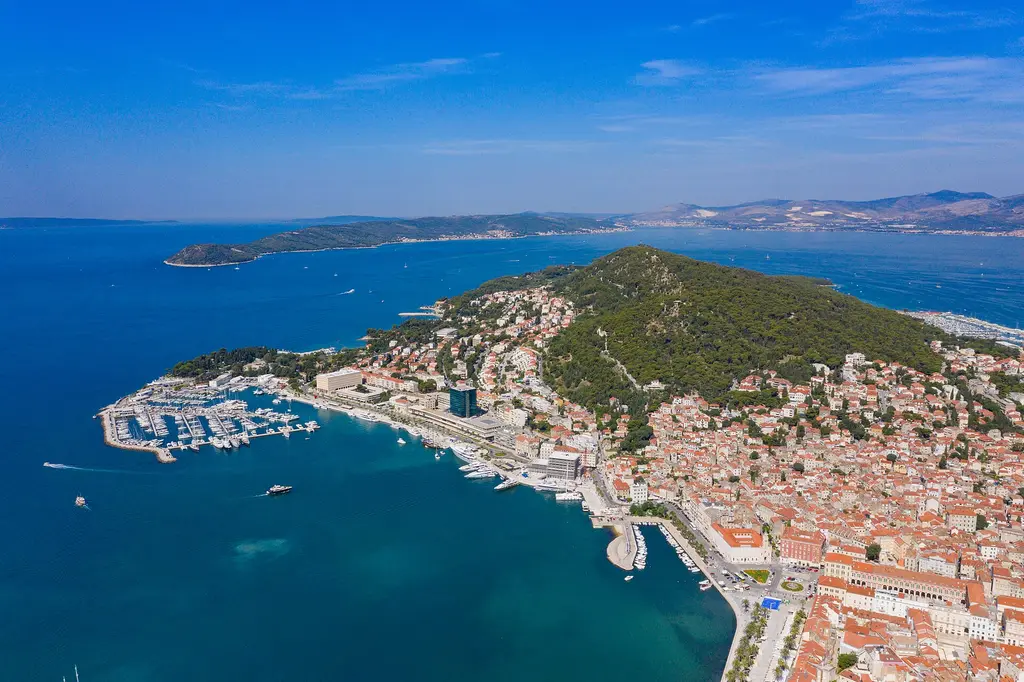 Private boat tours from Split
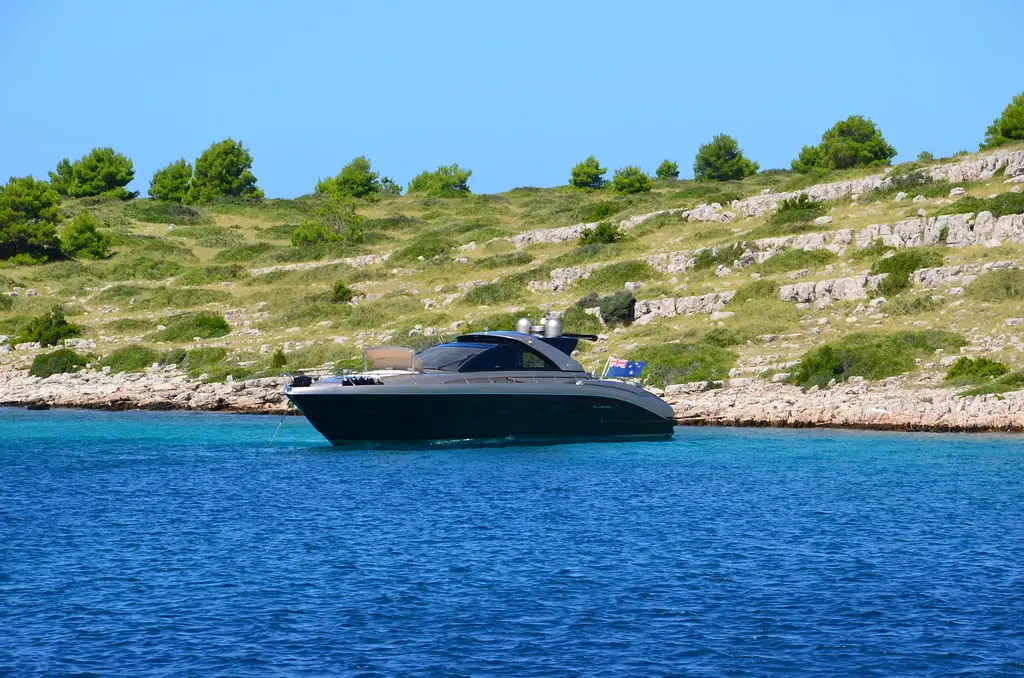 Island hopping by boat
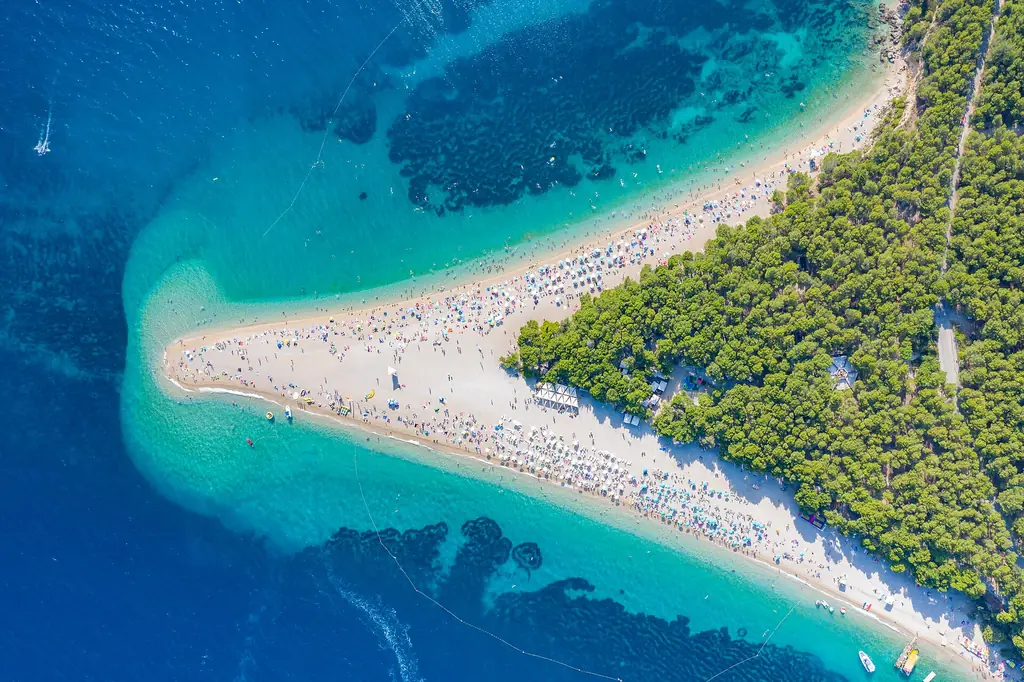 Boat tours from Split